On April 29, 2024, the Equal Employment Opportunity Commission (EEOC) issued its first significant revision to workplace harassment enforcement guidance in 25 years. The update reflects how harassment and discrimination are addressed in today’s workplace, incorporating changes in work environments and U.S. Supreme Court precedent that recognizes expanded anti-discrimination protections for LGBTQ employees. The agency previously released a draft in September 2023, after an earlier effort to revise the guidance did not advance.
The guidance reinforces that workplace harassment is not limited to sexual harassment. It explains that unlawful harassment may include conduct connected to protected characteristics such as race, sex, religion, and other protected categories, and it provides practical examples that illustrate conduct the EEOC may consider unlawful.
Because complaints can affect the broader organization, investigations often carry serious implications for compliance obligations, workplace culture, employee morale, and trust. However, a formal investigation is not always required. When both parties agree on what occurred, and the issue appears to involve miscommunication, discourtesy, or personality conflict rather than serious misconduct, an informal resolution—such as a direct conversation—may be sufficient. A critical factor is whether additional information must be collected from witnesses, records, or other documentation.
Areas Covered:-
Why Should You Attend?
When the appropriate response is unclear, initiating a formal investigation promptly is often the safest path. Issues may be more serious than they first appear, and failing to investigate can lead to legal exposure as well as ongoing workplace disruption that impacts productivity. In today’s “if you see something, say something” workplace environment, timely and well-executed internal investigations help organizations respond effectively to employee concerns and take appropriate action.
Strong investigations reduce employment law risk, help prevent liability, and can reinforce corporate culture and employee confidence. In contrast, investigations that are poorly planned or weakly executed can increase liability and damage morale. Careful preparation, effective interviews that focus on facts, and thorough documentation of findings are essential elements of an investigation process that can withstand legal scrutiny and support defensible decision-making.
Who Will Benefit?
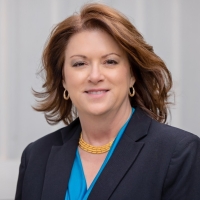
Margie Faulk is a senior-level human resource professional with over 15 years of HR management and compliance experience. A current Compliance Advisor for HR Compliance Solutions, LLC, Margie, has worked as an HR Compliance advisor for major corporations and small businesses in the small, large, private, public and Non-profit sectors.
Margie has provided small to large businesses with risk management strategies that protect companies and reduces potential workplace fines and penalties for violation of employment regulations. Margie is bilingual (Spanish) fluent and Bi-cultural.
Margie’s area of expertise includes Criminal Background Screening Policies and auditing, I-9 document correction and storage compliance, Immigration compliance, employee handbook development, policy development, sexual harassment investigations/certified training, SOX regulations, payroll compliance, compliance consulting, monitoring US-based federal, state and local regulations, employee relations issues, internal investigations, HR management, compliance consulting, internal/external audits, and performance management.
Margie is a speaker and accomplished trainer and has created and presented compliance seminars/webinars for over 16 US and International compliance institutes. Margie has testified as a compliance subject matter expert (SME) for several regulatory agencies and against regulatory agencies, thank goodness not on the same day. Margie offers compliance training to HR professionals, business owners, and leadership to ensure compliance with workplace regulations.
Margie’s unique training philosophy includes providing free customized tools for all attendees. These tools are customized and have been proven to be part of an effective risk management strategy. Some of the customized tools include the I-9 Self Audit. Correction and Storage program, Ban the Box Decision Matrix Policy that Employers can provide in a dispute for allegations, Family Medical Leave Act (FMLA) Compliance Guide, Drug-Free Workplace Volatile Termination E-Book, and other compliance program tools when attendees register and attend Margie’s training.
Margie holds professional human resources certification (PHR) from the HR Certification Institution (HRCI) and SHRM-CP certification from the Society for Human Resources Management. Margie is a member of the Society of Corporate Compliance & Ethics (SCCE).